Designed for your shopper.
Define the user, use occasion and sales channel before choosing features or decoration.
- Everyday use and handling
- Retail price position and pack format
- Range gaps and seasonal opportunities

Product Development · MINKO
Develop practical household products around your customer, price position and brand. MINKO coordinates ideas, specifications and sampling with specialist manufacturing partners.
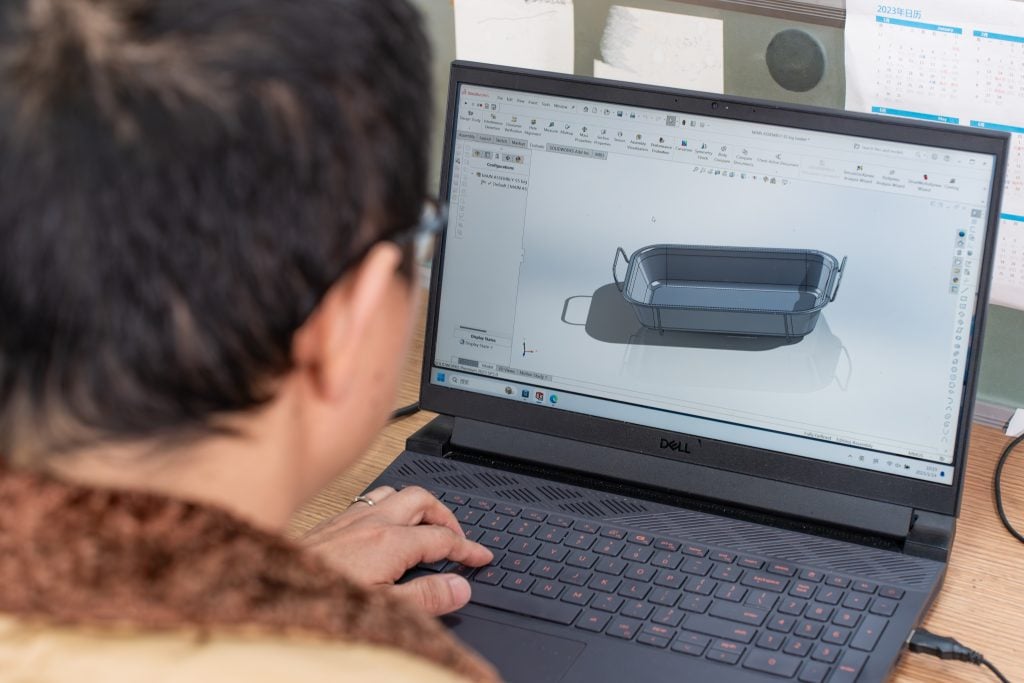
Commercial development
We review appearance, usability and manufacturing choices together, so development stays connected to your customer, price position and buying plan.
Define the user, use occasion and sales channel before choosing features or decoration.
Review how materials, parts and processes influence the product and its commercial feasibility.
Develop a recognisable collection across products, materials and retail presentation.
Development workflow
Review your customer, intended use, category references and price target.
Output: a focused development brief.
Discuss product features, styling and suitable material or process options.
Output: agreed concept priorities.
Review construction, tooling needs, quantities and cost drivers with relevant partners.
Output: a proposed development route.
Arrange the agreed sample or prototype route and collect structured buyer feedback.
Output: a revision and review record.
Bring the approved sample, specifications and packaging requirements into the production discussion.
Output: agreed production requirements.
Sketches, CAD work, prototypes, tooling and test samples are scoped and quoted by project. The development route depends on the product and partner capabilities.
Sample review
A sample review should answer a clear set of questions. We help organise comments around the agreed design, function, appearance and packaging priorities.
Review critical dimensions and fit, ease of use, finish, decoration and pack presentation together. Confirm changes before the next sampling or production step.
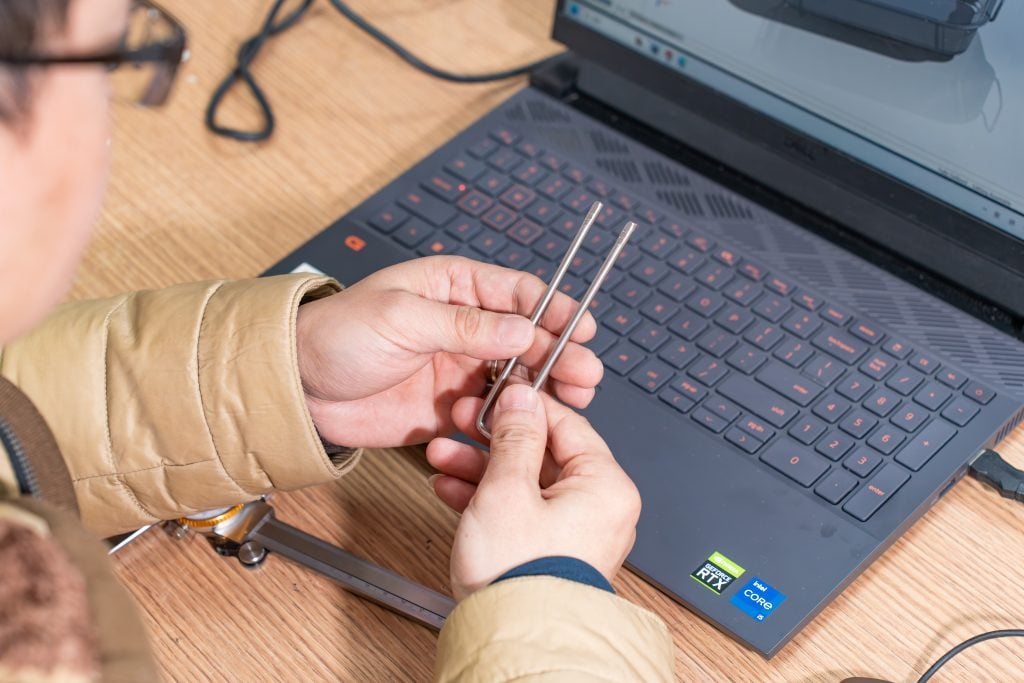
Across the household range
Review grip, pouring, serving, cleaning and storage needs alongside colour and form.
Discuss material feel, construction and function for the intended application.
Connect capacity, handling, finish and accessories with the buying brief.
Material decisions
| Material family | Development considerations | Buyer input |
|---|---|---|
| Stainless steel | Grade, gauge, forming, edges, polish and assembly. | Construction and durability requirements for the intended use. |
| Silicone & plastics | Material type, hardness, wall sections, moulding and colour. | Temperature, cleaning and other use conditions to be reviewed. |
| Ceramics | Shape, glaze, decoration, firing variation and protective packaging. | Appearance limits and destination-market requirements. |
| Recycled material options | Available sources, material performance and supporting documents. | Traceability and claim requirements for the specific supply chain. |
Questions before we begin
Yes. Share the intended use, target buyer, quantity and price goal with your references. We can then discuss which details need definition and whether the next step is product selection, adaptation or new development.
The deliverables, development costs and timing are agreed for each project. Some briefs can start with existing products; others require technical drawings, prototype work or new tooling with a suitable partner.
We review the material, construction, component count, finish, packaging and quantity together. Any proposed change should be checked against the required function, appearance and market requirements before approval.
We can review a common colour, material, branding and packaging direction across selected household products. Product-specific constraints and minimum quantities are confirmed during feasibility and quotation.
Start a B2B project
Share an idea, an existing item to improve or a range you want to build. Tell us the commercial priorities as well as the design direction.
Reference files can be sent directly to Barnet@minkohome.com. If some details are still open, tell us what is confirmed and what needs development.