
Development & approvals
From Sample to Production: A Private-Label Approval Checklist
Keep private-label samples, artwork and production requirements aligned with a practical approval checklist and an illustrative change-control case.
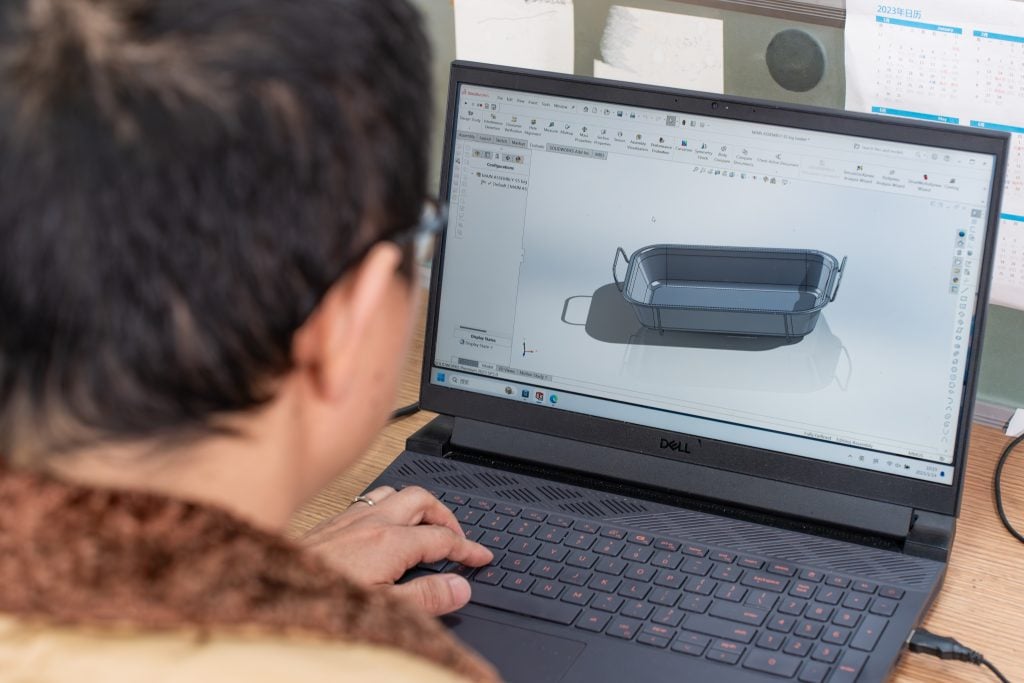
Approve the sample’s exact scope and version, then connect it to the written product and packaging specification.
“Sample approved” needs a defined meaning.
A sample can demonstrate shape or colour without representing every production detail. An early prototype may use a different process, a hand-finished surface or substitute packaging. If the approval does not state what was reviewed, the buyer and factory can leave the meeting with different expectations.
Use an approval record alongside the physical sample. It should identify the item, revision, date, reviewer and purpose of approval. List anything that is still provisional. A signed sample is more useful when the written specification explains what it represents.
Separate the decisions into practical stages.
| Stage | What to review | Question to close |
|---|---|---|
| Concept or reference | Size direction, appearance and intended function. | What remains indicative or subject to feasibility? |
| Development sample | Construction, fit, function and requested changes. | Which comments must be resolved in the next revision? |
| Colour & artwork | Approved colour reference, logo placement and artwork version. | How will the appearance be reviewed on the actual material? |
| Packaging sample | Retail pack, labels, inserts, set contents and carton arrangement. | Does the pack fit the approved product and receiving requirements? |
| Production reference | The configuration and specification authorised for the agreed production step. | Are testing, inspection criteria and outstanding actions clear? |
Record comments so they can be acted on.
Replace “make it better” with a specific observation, location and expected result. For example: identify the lid, show the interference point in a photograph and ask for a revised fit to be evaluated against an agreed method. Separate an appearance preference from a functional requirement.
Keep one revision list. Give each comment an owner, status and decision date, and carry unresolved points into the next review. Retain the rejected or superseded reference where practical so that the team can see what changed.
Worked example · Illustrative scenario
A colour change that also needs a production review.
A buyer develops a silicone beauty accessory in three colours. The shape sample is accepted, but the buyer then requests a darker colour and a larger printed logo. The artwork file is updated while the sample approval sheet still points to the old version.
A practical response is to split the approvals: keep the agreed shape and dimensions, identify the revised colour and artwork, and ask the partner to confirm the new sample and decoration checks required. The production reference should then name the final accepted version.
The lesson is to avoid using one general “approved” message for decisions made at different times. The scenario illustrates a control method; no measured saving or client outcome is claimed.
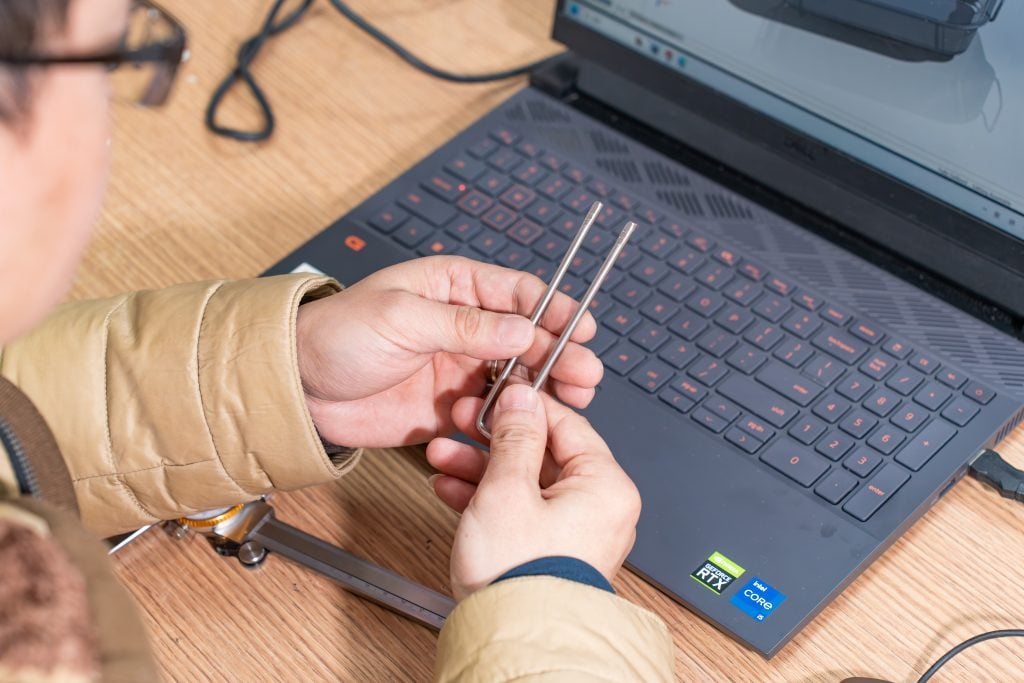
Treat later changes as new decisions.
After approval, a proposed material, supplier, mould, coating, component or packaging change should return to review. Record the reason, affected items and potential impact on performance, documentation, cost and timing. Agree whether new samples or testing are required before accepting the change.
For repeat orders, identify the previous approved reference and confirm what remains unchanged. A reorder number alone does not communicate the current artwork, packing or product specification.
The approval pack to have ready before production.
- Item number, revision and dated sample identification.
- Written dimensions, materials, construction and critical functions.
- Approved colour, finish, logo and artwork files.
- Retail packaging, set contents, labels and carton specification.
- Required tests, inspection scope and acceptance criteria.
- Open actions, decision owners and the agreed production release.
Bring your buying brief to MINKO.
Share your references and current sample comments. MINKO can help coordinate development stages and the next approval decisions.
Discuss Your Project ↗Continue reading
More practical buyer guides.
Sourcing & cost
How to Compare Household Product Quotes Beyond Unit Price
Compare household product quotations on the same basis: materials, packaging, MOQ, development costs and delivery terms. Includes a worked cost example.
Read the guide ↗Quality & inspection
A Pre-Shipment Inspection Checklist for Household Buyers
Define product-specific inspection checks, sampling scope, packing requirements and release decisions. Includes an illustrative barware-set case.
Read the guide ↗