
Supplier & document review
Factory Audits, Test Reports and Inspections: What Buyers Should Verify
Understand the different roles of factory audits, product test reports and order inspections. Includes a document checklist and an illustrative bottle case.

Review documents against the named facility, actual product configuration and decision you need to make.
A document is useful when it answers the right question.
Buyers often receive a folder described simply as “certificates”. It may contain factory audits, management-system documents, material declarations and test reports for different products. A large folder does not automatically provide the evidence needed for the item you intend to buy.
Start with the buying question. Are you assessing a factory, reviewing a product configuration or deciding whether a particular shipment meets an agreed inspection scope? These are different decisions, and the supporting records should be identified accordingly.
Match each document to its purpose.
| Record | What to look for | What not to assume |
|---|---|---|
| Factory audit or assessment | Information about a named facility against a defined scope at the time of assessment. | The tested performance of every product the factory makes. |
| Management-system certificate | Evidence about the named organisation and the stated management-system scope. | A substitute for product-specific review or order inspection. |
| Product test report | Results for identified samples against the methods and requirements listed. | Automatic coverage of a different material, finish, component or model. |
| Inspection report | Findings about the identified order or lot under the agreed inspection plan. | A check of every unit when the method uses sampling. |
| Material declaration | The supplier’s stated information about a material or component. | Independent verification unless the supporting evidence provides it. |
Check identity, scope and relevance before filing.
Read the legal entity and production site, sample or model identification, dates, issuing organisation, methods, results and any exclusions. Compare the photographs and component descriptions with the actual proposed product. If a detail does not match, ask the issuer or appropriate technical specialist what further review is needed.
For an inspection based on sampling, understand the plan and its limits. Sampling is used to draw conclusions from selected units; it is not equivalent to checking the entire lot. ASQ explains the principles and potential sampling errors.
Worked example · Illustrative scenario
The bottle looks the same, but its lid has changed.
A buyer reviews a stainless steel bottle and receives a report for an earlier model. The body appears similar, but the current proposal uses a different lid, seal and decoration. The buyer also receives a factory audit and assumes the folder covers the revised item.
A useful review separates the evidence. The factory assessment relates to the named facility and its scope. The product report should be compared with the current model, materials and components. The buyer’s technical team or nominated laboratory can then identify whether additional evidence or tests are required.
The purchase file should record the accepted configuration and the evidence linked to it. This example illustrates document review and does not state which tests or legal requirements apply to a specific bottle.
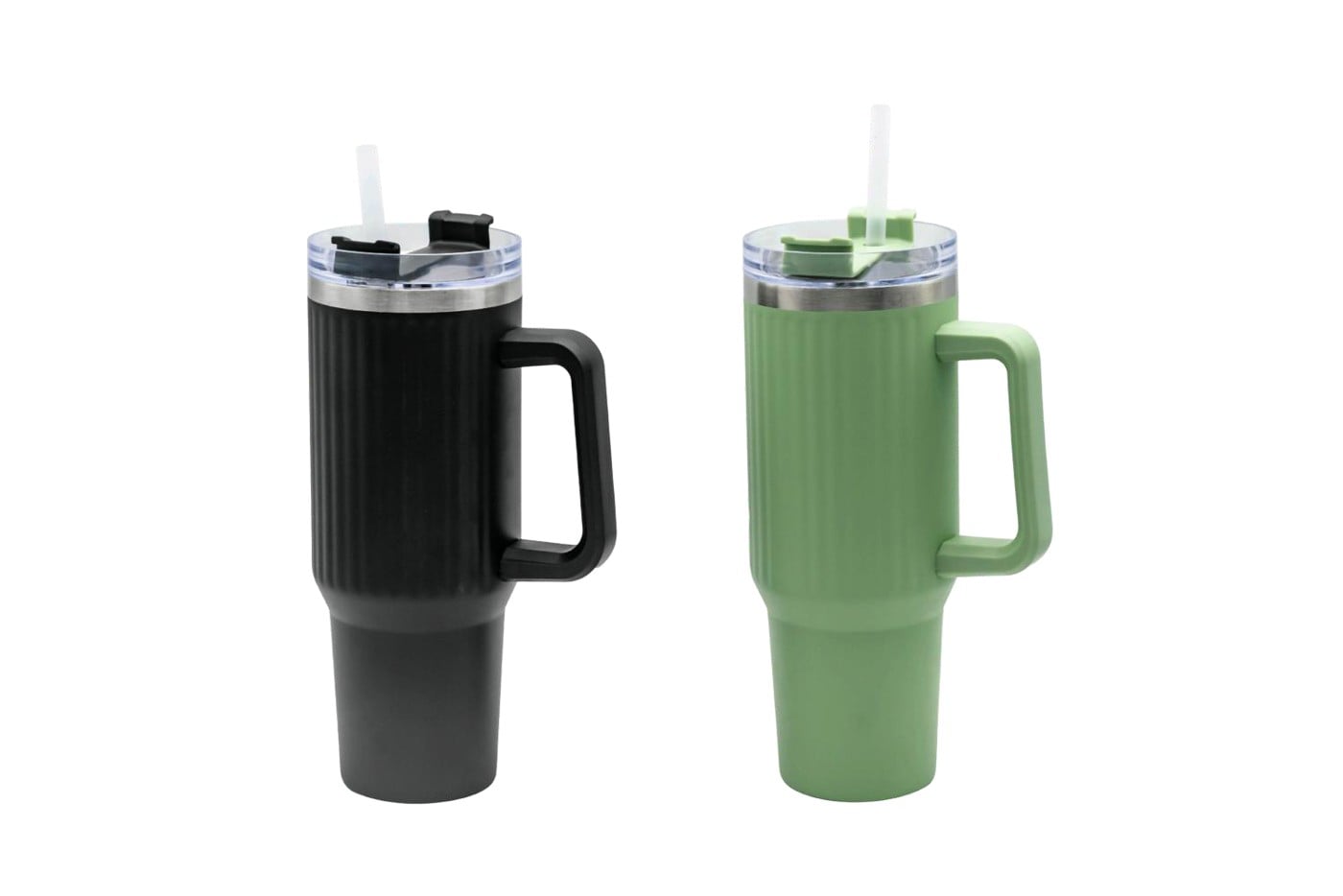
Use a document register instead of a loose attachment folder.
For each requirement, list the product or facility concerned, the requested evidence, the file reference, reviewer, review status and any open action. An item marked “received” is not necessarily “reviewed and accepted”. Keep these stages distinct.
Where certification claims are requested for forest-based products or packaging, the relevant supply-chain coverage also matters. FSC explains that chain of custody follows forest-based material through the supply chain. Read FSC’s chain-of-custody overview. Confirm the applicable claim and permission before putting a certification label into artwork.
Six questions for a useful evidence review.
- Does the document name the correct organisation or production facility?
- Does the sample, model and construction match the proposed item?
- Are the methods, results, dates and scope clear?
- Are there exclusions, unresolved findings or changes to review?
- Has the appropriate buyer specialist accepted the evidence?
- Is any additional assessment, sample or testing needed before approval?
Give your supplier the requirement early.
Send the destination market, intended use, technical manual and vendor requirements at the start of sourcing. That allows the proposed partner and technical providers to assess the evidence needed before samples, artwork or production commitments create avoidable rework.
Bring your buying brief to MINKO.
Send your vendor checklist and product requirements. MINKO can coordinate available partner information and identify the open questions for review.
Discuss Your Project ↗Continue reading
More practical buyer guides.
Sourcing & cost
How to Compare Household Product Quotes Beyond Unit Price
Compare household product quotations on the same basis: materials, packaging, MOQ, development costs and delivery terms. Includes a worked cost example.
Read the guide ↗Development & approvals
From Sample to Production: A Private-Label Approval Checklist
Keep private-label samples, artwork and production requirements aligned with a practical approval checklist and an illustrative change-control case.
Read the guide ↗